About
Lucas Lee — building more than businesses.
Entrepreneur, technology builder, HR innovator, AI advocate, content creator. The common thread across nearly three decades has never been technology, software or business. It has always been people.
The early years
Long before AI became a global phenomenon and digital transformation became a corporate buzzword, Lucas was already experimenting with technology to solve human problems.
In 1997, while most people were still discovering the internet, he built a website for his church and introduced an online counselling initiative. He had noticed that many people were uncomfortable speaking openly about their struggles face-to-face — afraid of judgment, or simply unable to find the words in person. The website created a safe space for them to seek help.
Years before online therapy, anonymous support communities and digital mental wellness platforms became common, Lucas was already exploring how technology could help people connect and find support. Looking back, the pattern was already there: whenever he saw a problem affecting people, he instinctively looked for a way to solve it.
Seeing the future before it arrived
In 2002, Lucas ventured into digital imaging and virtual tours for hotels. At a time when most hotel websites relied on static photographs, he was stitching together panoramic images and building interactive experiences that let visitors explore properties remotely. Today virtual tours are everywhere. Back then, they were almost unheard of.
It would not be the last time Lucas found himself working on ideas before they became mainstream. Over the years he built websites, online platforms, digital communities and job portals — experimenting with new technologies and business models, constantly searching for better ways for people to interact, communicate and work.
Some projects succeeded. Some did not. But every project reinforced one belief: innovation begins with understanding people, not technology.
Building businesses by building systems
As his career evolved, Lucas became increasingly involved in recruitment, workforce solutions, employer services and business operations. He quickly discovered that many companies were struggling with inefficiencies that had been quietly accepted as normal — slow recruitment, repetitive admin, fragmented information, teams spending valuable time on manual work instead of meaningful work.
Rather than accepting these as the cost of doing business, he focused on creating systems, tools and processes that simplified operations and improved outcomes — digital solutions for cross-border operations, streamlined payroll-related processes, internal frameworks, and tools that reduced unnecessary friction. The objective never changed: help people work smarter and achieve better results.
The human side of leadership
Despite his passion for technology, Lucas believes the most meaningful part of his journey has never been the systems he built. It has been the people.
Throughout his career he has invested significant time mentoring recruiters, business development professionals, managers and team members. He believes potential is often hidden behind inexperience — many individuals simply need guidance, opportunity, encouragement, and someone willing to believe in them before they can thrive.
Over the years he has watched team members grow into leaders, professionals gain confidence, and individuals achieve goals they once thought were beyond their reach. For Lucas, these moments matter more than any software platform or business achievement.
Technology may create efficiency. But people create impact.
The AI era — what Lucas is building today
Today, Lucas continues to embrace innovation through AI, HR technology, digital transformation and content. On the workforce side, he is actively developing AI-powered recruitment technology designed to change how companies identify, assess and develop talent — work that lives today as AiRAHR, an AI-native applicant tracking and hiring platform.
On the everyday-productivity side, he built Tavy.io — the AI agent that lives in DM, group and self-chat, right inside WhatsApp and Telegram. No new app to learn. For creators, he built HaloBio — a self-updating bio page that turns attention into real revenue.
And on the storytelling side, he founded UIS Media and created Uncle In Singlet — one of Singapore's most engaging AI-assisted content channels. At first glance, a social media channel might seem very different from recruitment platforms, AI products and business systems. For Lucas, the answer is simple: it is all about people.
Behind every video, every story, every joke and every observation is an opportunity to connect with another human being. In an increasingly digital world, people are more connected than ever — yet many feel increasingly isolated. Busy. Stressed. Overwhelmed. Searching for meaning and understanding. Sometimes they need advice. Sometimes inspiration. Sometimes a reason to laugh. And sometimes, permission to feel.
The stories, humour and observations are not designed merely to entertain. They reflect the realities of everyday life — family, marriage, aging, career, friendships, personal struggles — the experiences that connect us all. When people laugh at a video, they often see themselves in it. When they feel moved by a story, it is because they recognise a part of their own journey.
Behind every view, comment and share is a real person who wants to be understood, to feel connected, to know they are not alone. Whether through technology, business, recruitment, AI or media, Lucas has spent his career doing the same thing in different ways: building connections, creating opportunities, helping people grow, making life a little better than it was before.
Technology is a tool. People are the purpose.
A builder at heart
When asked what drives him, Lucas rarely talks about software, AI or entrepreneurship. He talks about solving problems, creating opportunities, and helping people become better versions of themselves.
Looking back, a clear pattern emerges. The church website in 1997. The virtual tours in 2002. The job portals. The business systems. The recruitment platforms. The AI solutions. The content channels. Each project looked different on the surface, but underneath them all was the same mission — to help people, to create value, to leave things better than he found them.
The most important thing you can build is not a company. It is not a product. It is not even a technology platform. The most important thing you can build is people.
And when you invest in people, the impact can last far longer than any business ever will.
Accreditation
Accredited by IMDA’s Media Industry Group.
UIS Media Pte Ltd successfully fulfilled the accreditation criteria and was accredited by IMDA’s Media Industry Group under the Digital Content and Capability Development (DCCD) programme in August 2026.
This accreditation enables UIS Media to receive relevant Calls for Proposals under the DCCD programme.
Industry recognition
Recognised by the veterans of Asian media.
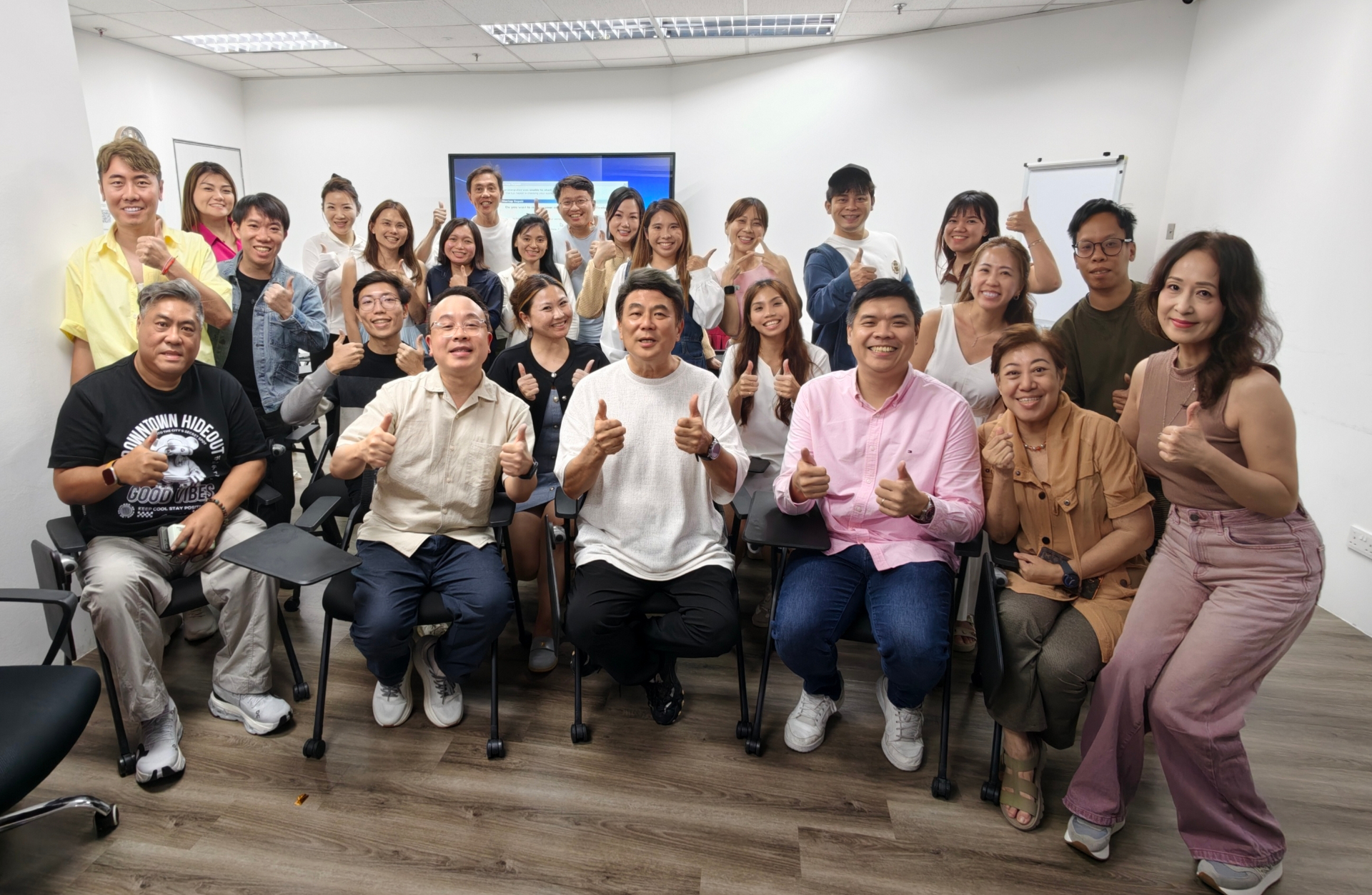
With Jack Neo
Invited as guest speaker at Jack Neo's production training class — sharing AI film & content workflows with working filmmakers.
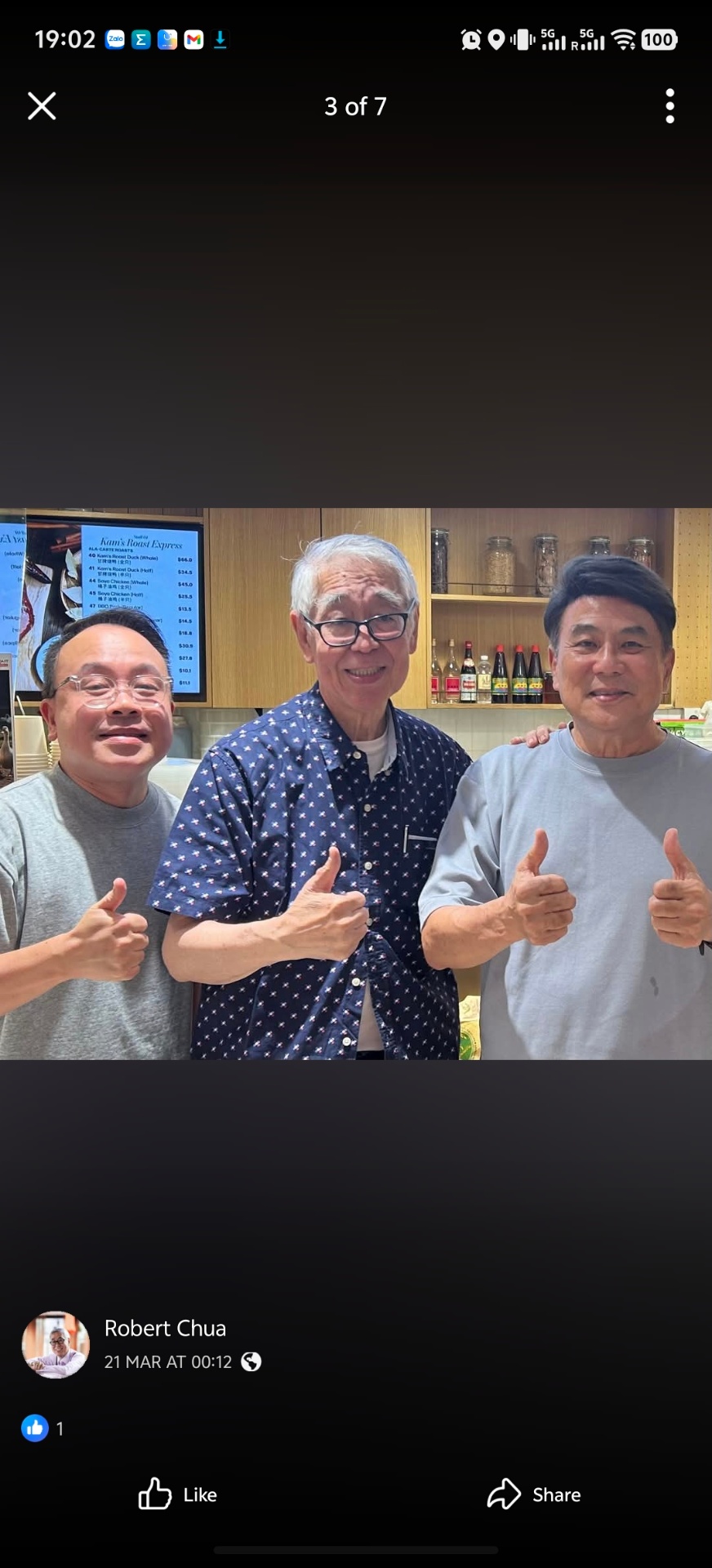
With Robert Chua & Jack Neo
With Robert Chua — TVB co-founder & Asian broadcasting pioneer — and Singapore filmmaker Jack Neo.
Explore brand partnerships with Uncle In Singlet, AI commercials, the cast or the press & media kit.